
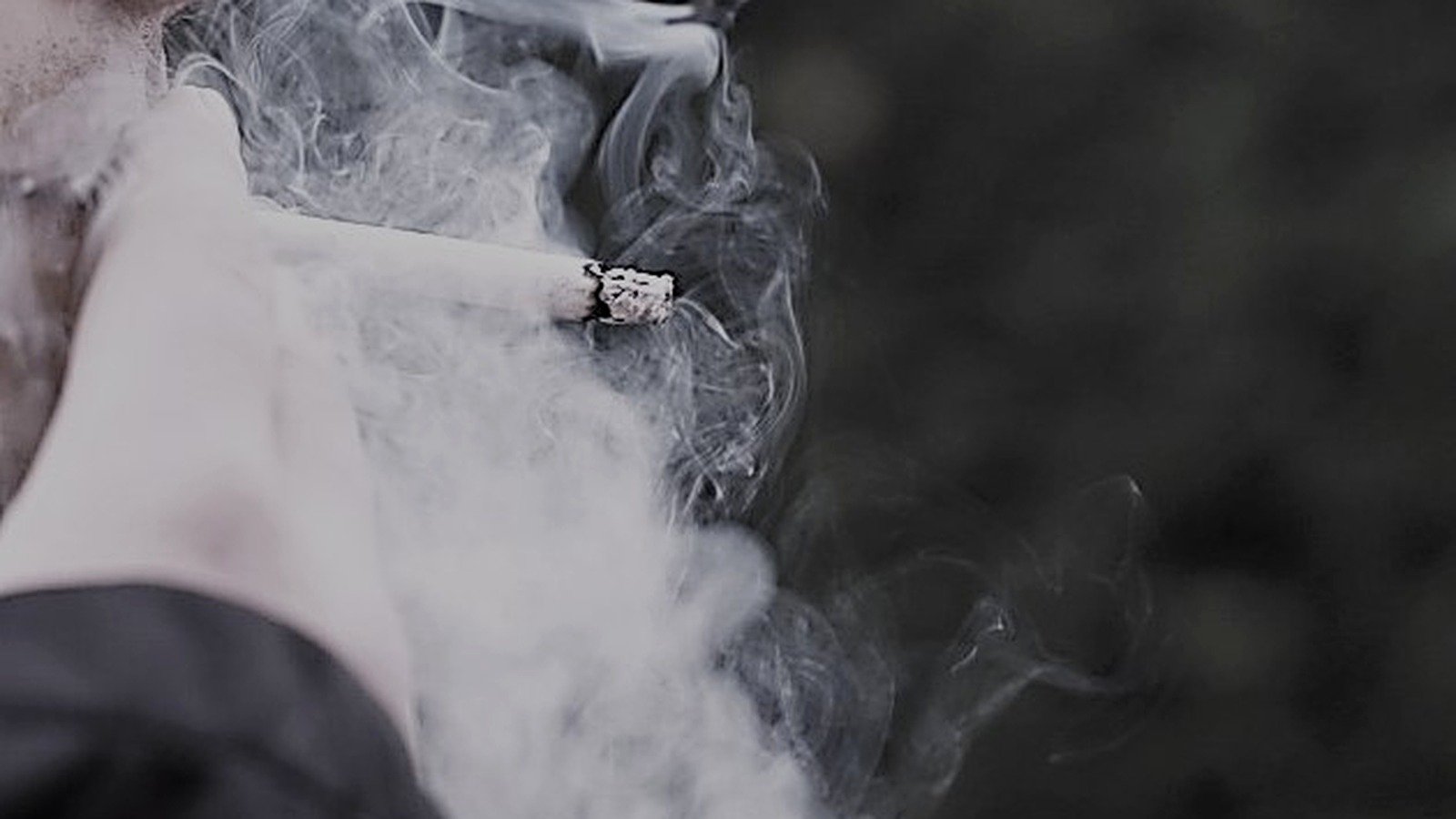
Smoke odour can be obvious to others while the smoker barely notices it because the brain adapts to familiar smells. Source: Wikimedia Commons, CC0.
A smoker can walk into a room and seem completely unaware that their clothes, hair, breath, car, or coat smell different. This is not usually because they are being dishonest. It is mostly because the brain gets used to familiar smells.
Smokers smell different because tobacco smoke leaves tiny chemical residues on skin, hair, clothes, furniture, and breath. At the same time, the smoker’s nose becomes less sensitive to the smell through a process called olfactory adaptation. In simple terms, the smell is still there, but their brain stops treating it as new information.
This guide explains why smokers smell different even when they cannot notice it, how smoke odour sticks around, and what practical steps can reduce it without relying on perfume or guesswork.
What causes the smoker smell?
The smell comes from smoke particles and chemical compounds released when tobacco burns. These compounds can settle on fabric, hair, skin, upholstery, curtains, carpets, and car interiors.
The smell is not only the cigarette itself. It is also a mixture of stale smoke, breath changes, skin oils, ash, and residue left on surfaces. That is why a jacket may smell smoky even 24-48 hours after a person last smoked while wearing it.
For example, someone may smoke outside, wash their hands, and still smell of smoke because their coat collar, hair, scarf, and phone case have absorbed the odour. A quick spray of fragrance may cover it for 20-30 minutes, but it rarely removes the source.
Read also: 10 Fun Physics Facts That Explain Everyday Life
Why smokers often cannot smell it themselves
The main reason is olfactory adaptation. Your sense of smell is designed to notice change. If an odour surrounds you regularly, your brain gradually turns down its response.
This happens with many smells. People stop noticing their own home, their usual perfume, or the smell of a workplace. Similarly, a smoker may stop noticing smoke because it has become part of their normal environment.
A simple scenario explains it well. A non-smoker enters a smoky car and notices the smell in 3-5 seconds. The driver, who sits in the car every day, may notice nothing because the smell has become background noise to their nose.
How smoke sticks to clothes, hair, and rooms
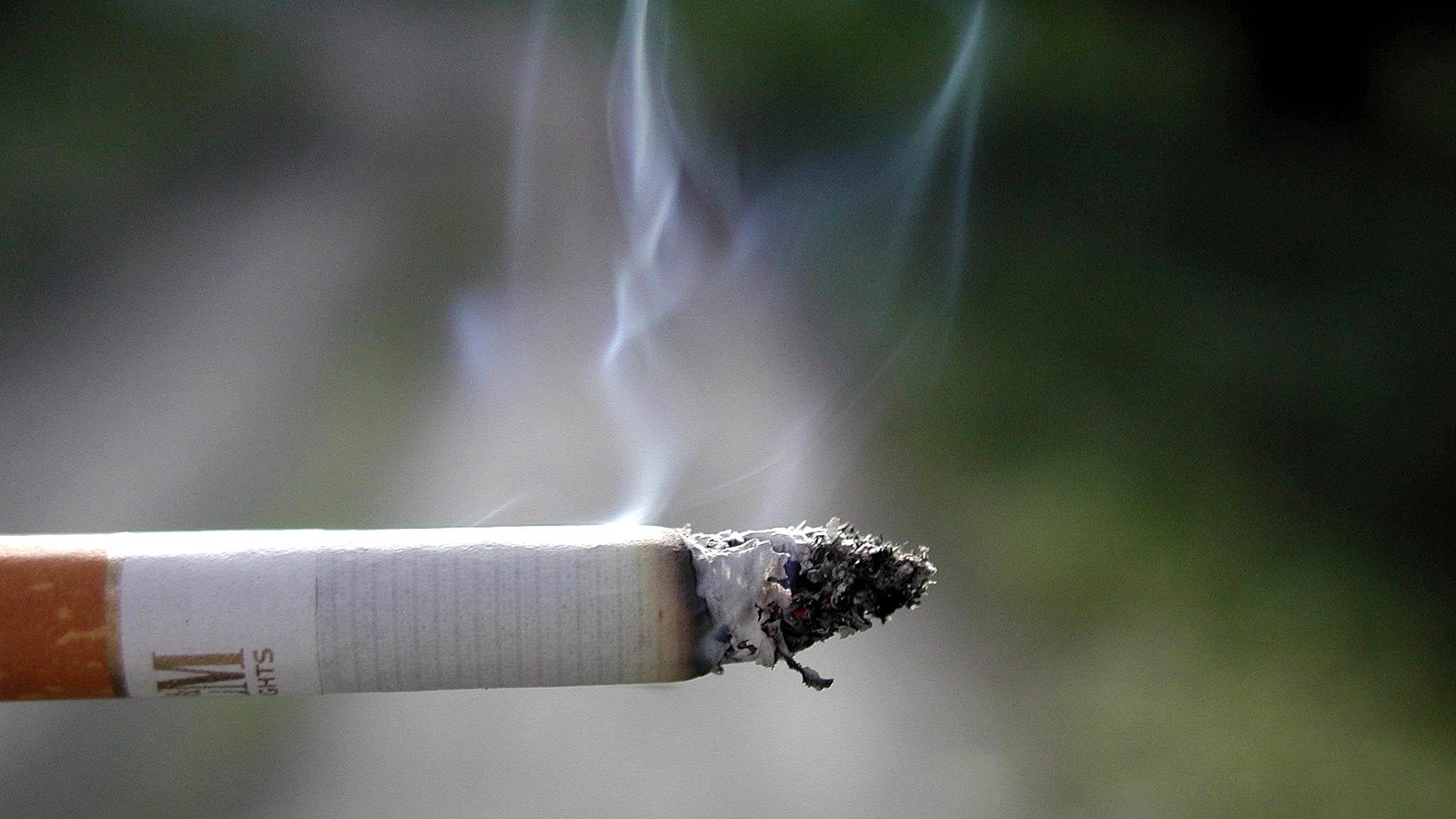
Smoke particles can cling to fabric, hair, car interiors, and soft furniture long after the cigarette is gone. Source: Wikimedia Commons, public domain.
Smoke odour lasts because many materials are absorbent. Cotton, wool, polyester, carpets, curtains, and upholstery can hold smell in their fibres. Hair also traps odour because it has texture and natural oils.
This is why smoke smell often returns after the room seems fresh. When fabric warms up, moves, or gets damp, trapped odour can become noticeable again. In addition, smoke can settle on walls and hard surfaces as a thin residue.
A practical test is simple: place a smoky coat in a closed wardrobe for 7-14 days. Other clothes nearby may begin to smell different, even if nobody smokes in that room. The smell transfers because residue is sitting on the fabric.
Why breath and skin can also smell different
Smoke affects breath because particles and odour compounds pass through the mouth, throat, and lungs. It can also mix with dry mouth, coffee, alcohol, or spicy food, making the smell stronger.
Skin can hold smoke odour too. Hands are especially affected because they touch cigarettes directly. Meanwhile, facial hair, scarves, collars, and sleeves often collect smoke because they sit close to the mouth.
For example, a person might brush their teeth but still smell smoky because their jacket sleeve, beard, or hair carries the odour. That is why solving the issue usually needs several small actions, not one quick fix.
Read Also:10 Scary Science Facts Most People Never Think About
What is third-hand smoke?
Smoke can leave residue behind after the visible cloud has gone, which is why stale odour can remain in rooms and cars. Source: Wikimedia Commons, public domain.
Third-hand smoke is the residue left behind after tobacco smoke has cleared from the air. It can remain on surfaces such as walls, carpets, sofas, car seats, curtains, and clothing.
This matters because the smell is not only in the air at the moment of smoking. It can remain in the environment and continue to affect how a room, car, or person smells later.
A common example is a used car that smells smoky even after the ashtray is empty. The odour may be coming from the seats, roof lining, carpet, air vents, and fabric trim rather than from fresh smoke.
How to reduce smoke smell in realistic steps
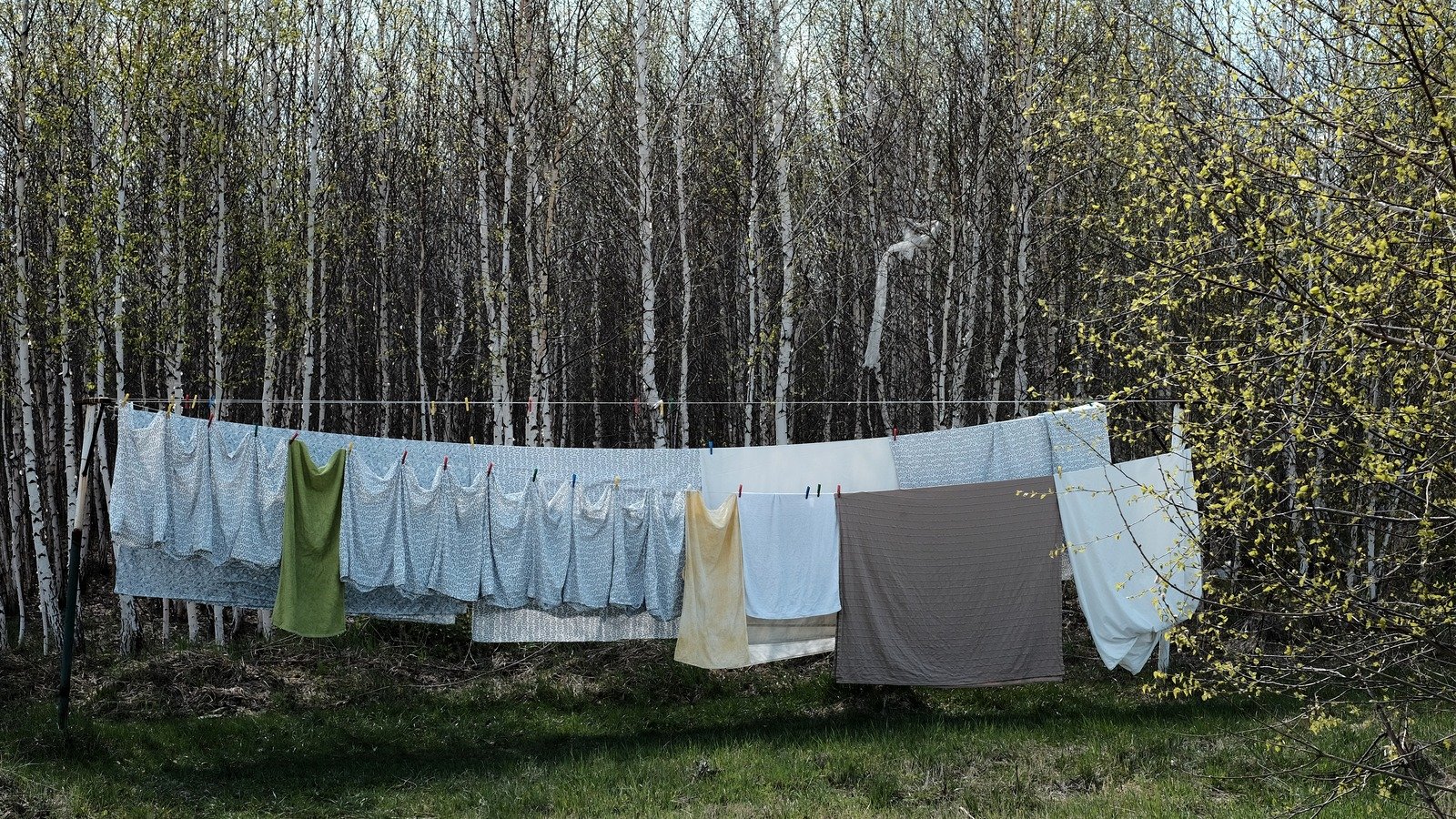
Airing fabrics helps, but washing and separating smoky clothes usually works better than covering the smell with fragrance. Source: Wikimedia Commons, CC0.
The best way to reduce smoke smell is to remove residue rather than hide it. Perfume, sprays, and air fresheners may help briefly, but cleaning and ventilation usually work better.
Use this 5-step approach: smoke outside away from doors and windows, change outer layers after smoking, wash clothes regularly, air coats for 20-30 minutes, and clean high-contact items such as phones, glasses, keys, and car interiors.
For clothes, a normal wash may be enough for light odour. For stronger smell, pre-soak washable items for 30-60 minutes and wash them separately. Odour-removal products often cost around $5-$20, while a decent home air purifier may cost around $80-$300.
Common mistakes that make the smell worse
One common mistake is using too much fragrance. Strong perfume or deodorant can mix with smoke and create an even heavier smell. Another mistake is smoking near an open window indoors, because the smoke still spreads through the room.
People also forget soft surfaces. Washing clothes helps, but the smell may remain if the sofa, curtains, car seat, or coat is not cleaned. In addition, storing smoky clothes with clean clothes can transfer the odour.
A better routine is to separate smoky outerwear, ventilate properly, wash fabrics, and clean surfaces. This takes more effort than spraying fragrance, but it gives a cleaner result over 7-14 days.
Helpful tools and trusted resources
Global: YouTube – useful for laundry and cleaning demonstrations; Google Search – useful for checking fabric care labels; WHO tobacco resources – useful for health background.
United States: CDC – clear information on smoking and second-hand smoke; Smokefree.gov – practical quit-smoking support; MedlinePlus – simple health explanations.
United Kingdom / Europe: NHS Better Health – clear stop-smoking support; GOV.UK smoke-free guidance – useful public health context; European Lung Foundation – beginner-friendly lung health information.
Advanced users: indoor air quality monitors – useful for tracking particles; HEPA air purifiers – useful for reducing airborne particles; steam cleaners – useful for fabric and car interiors.
FAQ
Why can smokers not smell themselves?
Smokers often cannot smell themselves because their brain becomes used to the odour. This is called olfactory adaptation, and it makes familiar smells feel less noticeable.
Does smoking outside stop clothes from smelling?
Smoking outside helps, but it does not stop the smell completely. Smoke can still cling to hair, hands, sleeves, coats, and scarves.
Why do smokers’ cars smell even after cleaning?
Car seats, carpets, roof lining, and air vents can hold smoke residue. The smell may return when the car warms up or when air moves through the cabin.
Can perfume remove cigarette smell?
Perfume may cover smoke smell for a short time, but it does not remove residue. Washing, airing, and cleaning surfaces work better.
How long does smoke smell stay on clothes?
Light odour may fade after a few hours of airing, but stronger smoke smell can last for days until the fabric is washed properly.
Conclusion: smoke smell is usually more noticeable to others
Smokers smell different because smoke leaves residue on the body, clothing, and nearby spaces. Meanwhile, the smoker may not notice it because the brain adapts to familiar odours.
The practical lesson is simple: do not rely on fragrance alone. Remove the source with washing, ventilation, surface cleaning, and separate storage for smoky clothes.
If you want a useful test, choose one coat or jacket and follow a 7-day cleaning routine. Air it, wash what can be washed, wipe nearby items, and compare the smell before and after. The difference is often more obvious to other people than to the smoker.