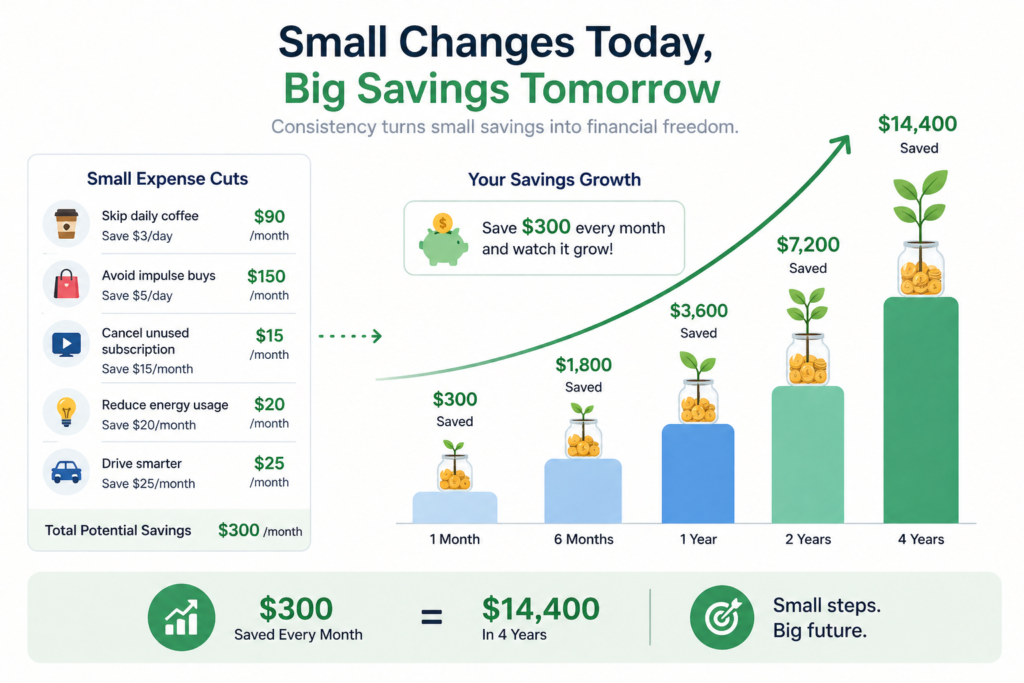

If your money seems to disappear every month, you’re not alone. The good news? You don’t need to sacrifice your lifestyle to fix it.
By making small, smart changes, you can cut monthly expenses by 10–30% or $100–$500 without feeling restricted. This guide shows practical, beginner-friendly ways to save money effortlessly.
What Does It Mean to Cut Monthly Expenses?
Cutting monthly expenses means reducing unnecessary or inefficient spending while keeping your lifestyle the same.
Instead of giving things up, you:
- Optimise what you already pay for
- Eliminate waste
- Use smarter alternatives
Example:
Switching from a $60/month mobile plan to a $35 plan with the same features saves $300 yearly—with zero lifestyle change.
Why Cutting Expenses Matters
Reducing expenses has a direct impact on your financial health.
Key benefits:
- Save 10–20% of your income monthly
- Build an emergency fund faster
- Reduce financial stress
- Increase investment potential
Scenario:
Saving $200/month = $2,400/year, which could fund investments, travel, or debt repayment.
10 Simple Ways to Cut Monthly Expenses
1. Cancel Unused Subscriptions
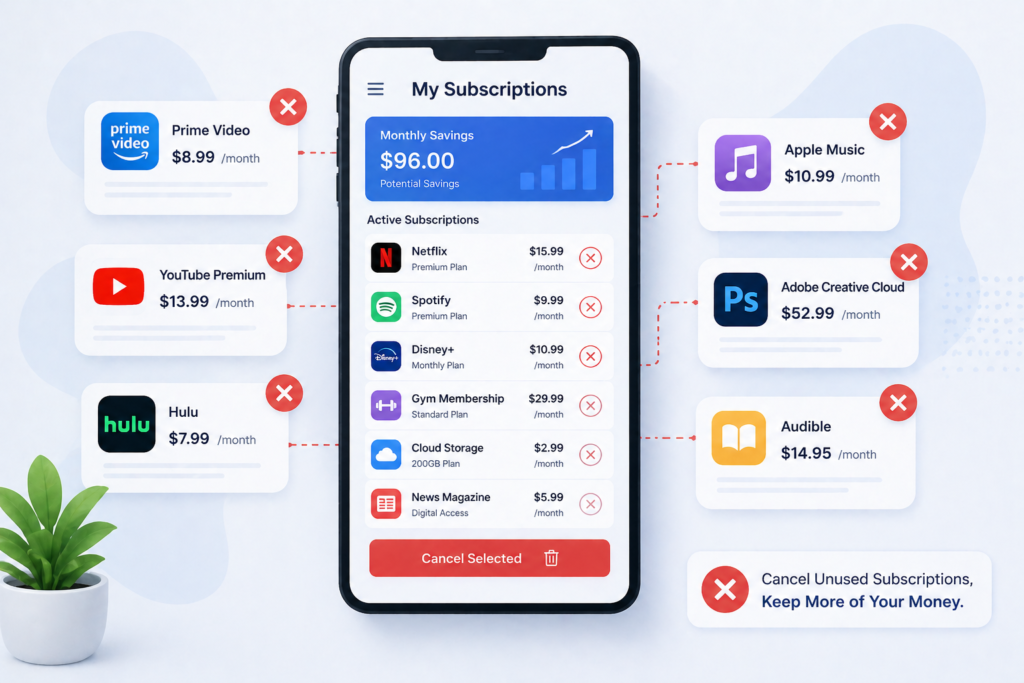
Subscriptions quietly drain money.
Common examples:
- Streaming services
- Gym memberships
- App subscriptions
Action steps:
- Check bank statements for recurring charges
- Cancel anything unused for 30+ days
Example:
Cancelling 2 subscriptions at $15 each saves $30/month ($360/year).
2. Negotiate Bills and Contracts
Most people overpay simply because they never ask.
Bills you can negotiate:
- Internet
- Insurance
- Phone plans
Example:
Calling your provider and asking for a discount can reduce bills by 10–25% ($20–$80/month).
3. Use Cashback and Reward Apps
Earn money back on purchases you already make.
Example tools:
- Rakuten – cashback on online shopping
- Honey – finds discounts automatically
Scenario:
Spending $500/month with 5% cashback = $25/month saved.
4. Switch to Cheaper Alternatives (Same Quality)
You don’t need to downgrade—just switch smarter.
Examples:
- Supermarket own brands instead of premium
- Generic medications instead of branded
Savings:
Switching 5 items weekly can save $50–$150/month.
5. Reduce Energy Usage Efficiently
Lower bills without reducing comfort.
Simple changes:
- Turn off standby devices
- Use LED bulbs
- Adjust thermostat by 1–2°C
Example:
Reducing electricity usage by 15% can save $20–$60/month.
6. Automate Savings First
This reduces spending automatically.
How it works:
- Transfer money to savings immediately after payday
Example:
Saving 15% of a $2,000 income = $300/month automatically saved.
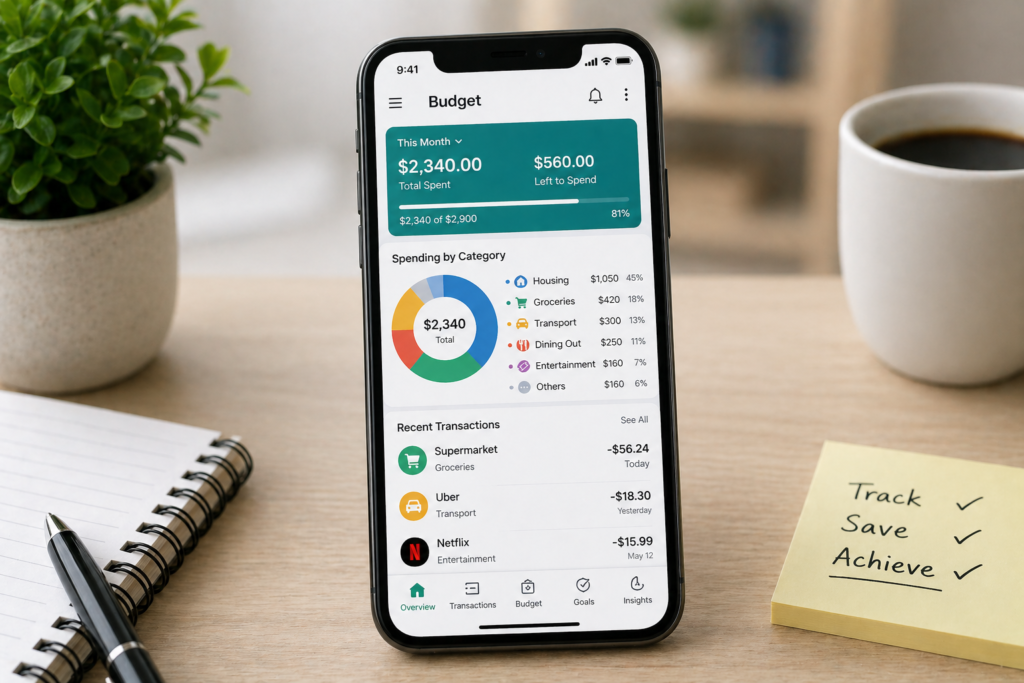
7. Track Spending Weekly
Awareness alone reduces overspending.
Tools to use:
- Mint
- YNAB
Scenario:
Tracking expenses often cuts spending by 10–20% ($100–$300/month).
8. Buy in Bulk (Strategically)
Bulk buying saves money when done right.
Best for:
- Non-perishables
- Household items
Example:
Buying essentials in bulk can reduce costs by 10–25%.
9. Avoid Convenience Spending
Convenience costs more than you think.
Examples:
- Food delivery fees
- Impulse purchases
- Premium services
Scenario:
Reducing takeaway orders from 4 to 2 per month saves $40–$100.
10. Review Your Spending Every Month
Monthly reviews help identify waste.
Simple system:
- Check last month’s expenses
- Highlight unnecessary spending
- Adjust for next month
Example:
Cutting just 2 unnecessary expenses monthly = $50–$150 saved.
Best Tools to Help You Cut Expenses
🌍 Global
- YNAB – proactive budgeting system
- Honey – automatic coupon finder
- Rakuten – cashback on purchases
🇺🇸 United States
- Mint – expense tracking and insights
- Truebill – cancels unwanted subscriptions
🇬🇧 UK / Europe
- Emma – tracks subscriptions easily
- Plum – automates savings smartly
⚙️ Advanced Users
- Microsoft Excel – custom budget tracking
- Notion – build financial dashboards
Common Mistakes to Avoid
- Trying to cut everything at once
- Ignoring small recurring expenses
- Not tracking spending
- Sacrificing quality unnecessarily
Small, consistent changes are far more effective than extreme budgeting.
FAQ
How can I cut expenses without changing my lifestyle?
Focus on optimising existing costs like subscriptions, bills, and energy usage instead of removing things you enjoy.
How much can I realistically save monthly?
Most people can save 10–30% of their income, or about $100–$500 per month, with simple changes.
What is the easiest expense to cut first?
Subscriptions are the easiest. Many people save $20–$100/month just by cancelling unused services.
Are budgeting apps worth it?
Yes. Apps like YNAB help track spending and can reduce expenses by up to 20%.
How often should I review my expenses?
Review monthly. This helps you catch waste early and stay on track.
Conclusion
Cutting monthly expenses doesn’t require sacrifice—it requires awareness and smarter decisions.
Start with just 2–3 changes today, and you could save $100–$300 this month alone. Over time, these savings compound into real financial freedom.
Take action now: review your subscriptions, track your spending, and make one smart switch today.