
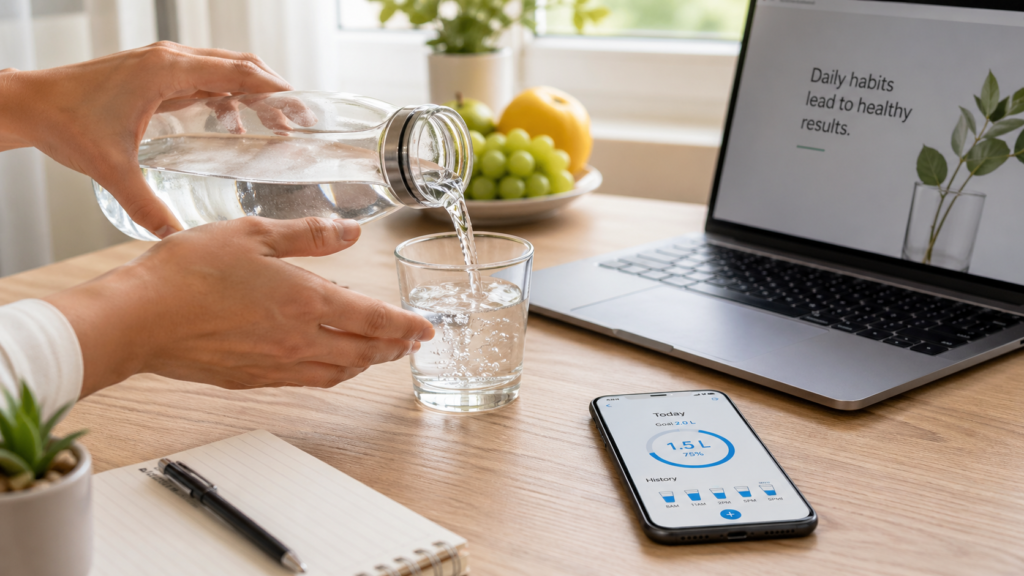
Drinking more water every day sounds simple, but it can affect your energy, focus, digestion, exercise performance, skin comfort, and overall wellbeing.
Water is not a magic cure, and more is not always better. But if you regularly forget to drink enough, improving your daily hydration can make your body work more smoothly.
The key is balance: drink enough to replace what you lose through breathing, sweat, urine, and digestion, without forcing excessive amounts. Your needs depend on your body size, activity level, climate, diet, health conditions, and medications.
What Is Hydration?
Hydration means your body has enough fluid to function properly. Water helps regulate body temperature, move nutrients, support digestion, lubricate joints, remove waste, and keep organs working normally.
Daily water intake includes plain water, other drinks, and water from foods such as fruit, vegetables, soups, yoghurt, and cooked grains. The CDC notes that plain drinking water counts towards daily water intake, while many foods also contribute fluid. (CDC)
Good hydration does not mean drinking water constantly. It means keeping fluid levels steady throughout the day.
How Much Water Should You Drink Daily?
There is no perfect water target for everyone. Mayo Clinic states that many healthy adults get enough total fluid from about 11.5 cups, or 2.7 litres, per day for women and 15.5 cups, or 3.7 litres, per day for men, including fluid from all drinks and foods. (Mayo Clinic)
Harvard Health gives a more practical plain-water range for many people: about 4–6 cups of plain water per day, while noting that individual needs vary. (Harvard Health)
A beginner-friendly target:
- Start with 6–8 cups of fluid daily
- Add 1–3 extra cups if you sweat, exercise, or live in hot weather
- Use urine colour and thirst as practical guides
- Avoid forcing large amounts quickly
If you currently drink only 2–3 cups of fluid daily, increasing to 6–8 cups may be a useful improvement.
What Happens If You Drink More Water Every Day?
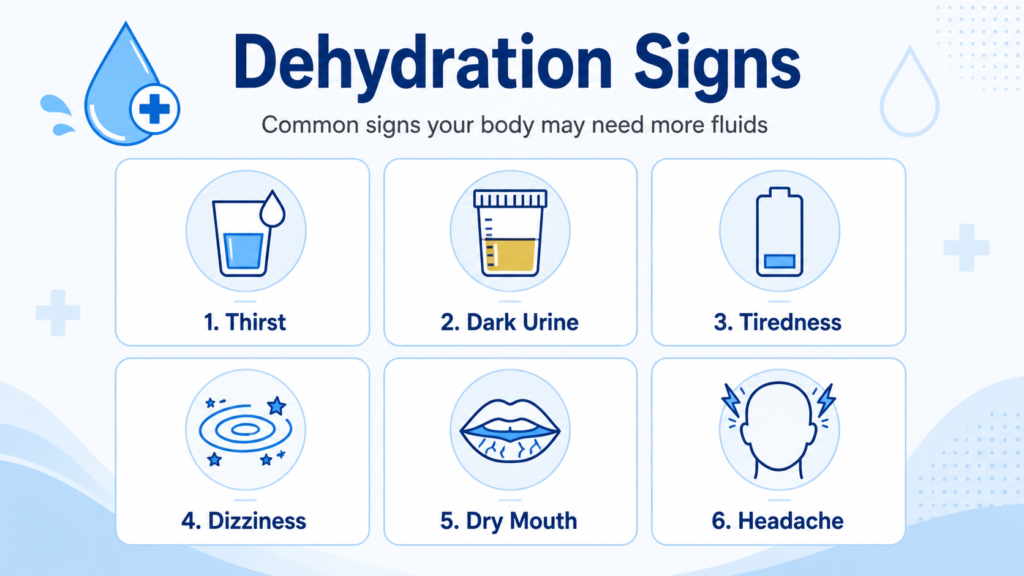
If you are under-hydrated, drinking more water every day may improve energy, concentration, digestion, exercise comfort, and headache frequency. It may also help reduce unnecessary snacking if you often confuse thirst with hunger.
However, the biggest benefits usually happen when you move from not drinking enough to drinking a healthy amount. Drinking far beyond your needs does not automatically create extra benefits and can be harmful in extreme cases.
1. Your Energy May Feel More Stable
Dehydration can make you feel tired, sluggish, or less alert. The CDC says dehydration may cause unclear thinking, mood changes, overheating, constipation, and kidney stones. (CDC)
A simple scenario:
You drink coffee in the morning, forget water until late afternoon, then feel tired at 3 pm. Adding 1 cup after waking, 1 cup with lunch, and 1 cup mid-afternoon may help your energy feel steadier.
This does not replace sleep, food, or exercise, but it removes one common cause of low energy.
2. Your Focus and Mood May Improve
Your brain depends on fluid balance. Even mild dehydration can make thinking feel harder, especially during work, study, or hot weather.
Practical example:
If you work at a desk for 6–8 hours, keep a 500–750 ml bottle nearby. Aim to refill it 1–2 times during the day. This creates a visual reminder without needing to track every sip.
Pair water with existing habits:
- Drink after brushing your teeth
- Drink before your first coffee
- Drink with each meal
- Drink after walking or exercise
- Drink before long focus sessions
3. Digestion May Become More Comfortable
Water helps your digestive system move food through the body. Low fluid intake may contribute to constipation, especially if your diet also lacks fibre.
A practical routine:
- Drink 1 cup of water with breakfast
- Add water-rich foods such as oranges, cucumber, soup, berries, or yoghurt
- Increase fibre gradually, not suddenly
- Walk for 10–20 minutes after meals when possible
NHS guidance says not getting enough fluids can lead to dehydration and explains that water is a healthy, low-cost choice, although other drinks and foods can also contribute to fluid intake. (nhs.uk)
4. Exercise May Feel Easier
When you sweat, you lose fluid. If you start exercise already under-hydrated, workouts may feel harder than they need to.
A simple exercise hydration plan:
- Drink 1–2 cups of fluid in the 2 hours before exercise
- Sip during longer or sweaty sessions
- Drink 1–2 cups after exercise
- Consider electrolytes only for intense sweating, long sessions, or hot weather
For light workouts under 45–60 minutes, plain water is usually enough for most healthy adults.
5. Your Skin May Feel Less Dry
Water supports normal skin function, but drinking more water will not erase wrinkles or replace skincare. Hydration can help if your skin feels dry because your overall fluid intake is low.
A realistic example:
If your lips feel dry, your urine is dark yellow, and you rarely drink fluid before midday, improving hydration may help. But if your skin is dry due to cold weather, harsh cleansers, eczema, or low humidity, water alone may not solve it.
Use hydration plus basics:
- Drink regularly
- Use moisturiser
- Avoid very hot showers
- Eat water-rich foods
- Protect skin from sun and wind
6. You May Snack Less From Thirst Confusion
Sometimes thirst feels like hunger, especially when you are busy or tired.
This does not mean water is a weight-loss hack. But drinking water before automatically reaching for snacks can help you check what your body actually needs.
Simple rule:
When you want a snack outside normal meal times, drink 1 cup of water, wait 10 minutes, then decide. If you are still hungry, eat something balanced.
Good options include yoghurt, fruit, nuts, eggs, soup, or wholegrain toast.
7. You May Notice Healthier Daily Habits
Drinking more water often improves your routine because it connects to other habits.
For example:
- A bottle on your desk reminds you to pause
- Drinking with meals reduces sugary drink intake
- Water after exercise supports recovery
- A morning glass starts the day intentionally
- Tracking water builds consistency
Replacing 1 sugary drink per day with water can reduce sugar and calorie intake without complicated dieting. If one drink contains 120–250 calories, replacing it most days could remove 840–1,750 calories per week from drinks alone.
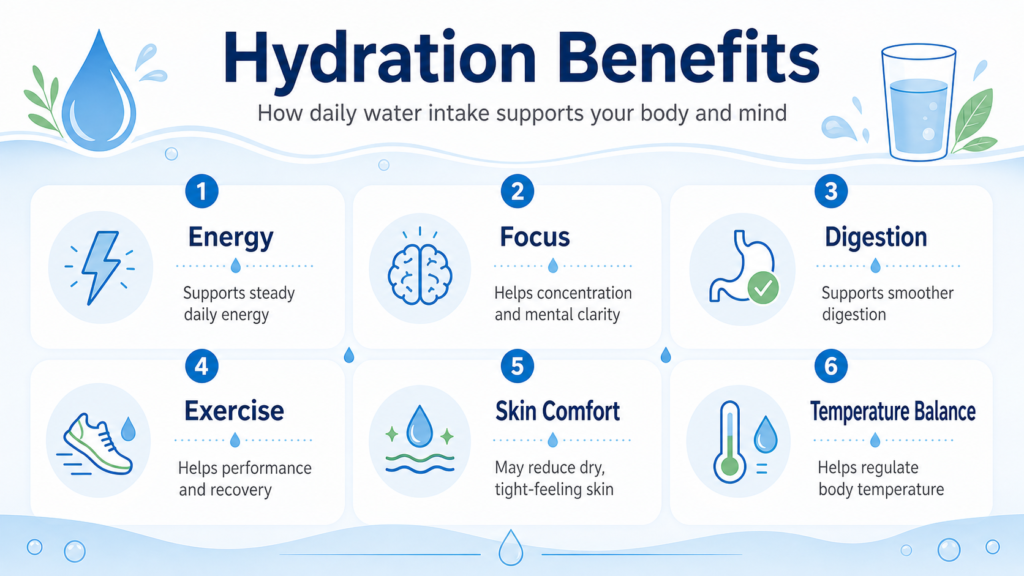
Signs You May Not Be Drinking Enough
Common dehydration signs include thirst, dark yellow strong-smelling urine, peeing less often, dizziness, tiredness, and dry mouth, lips, or tongue, according to the NHS. (nhs.uk)
You may need more fluids if you:
- Exercise regularly
- Sweat heavily
- Live in hot or dry weather
- Have fever, vomiting, or diarrhoea
- Eat a high-salt diet
- Drink lots of alcohol
- Are pregnant or breastfeeding
- Take certain medications
Seek medical advice if dehydration symptoms are severe, persistent, or linked with illness.
Can You Drink Too Much Water?
Yes. Drinking extreme amounts of water too quickly can dilute sodium levels in the blood, which can be dangerous. This is uncommon for most people but can happen during endurance events, intense exercise, or when people force excessive water intake.
Do not aim for “as much as possible”. Aim for steady hydration.
A safer approach:
- Sip regularly through the day
- Increase gradually
- Do not force litres quickly
- Add electrolytes when sweating heavily for long periods
- Ask a clinician if you have kidney, heart, liver, or fluid-restriction conditions
Recommended Hydration Tools and Apps by Region
Global
- WaterMinder — simple reminders and visual progress
- MyFitnessPal — tracks water with nutrition habits
- HidrateSpark — smart bottle with app reminders
United States
- Owala bottles — easy daily carry and sipping
- Hydro Flask — durable insulated water bottles
- LMNT — electrolyte option for heavy sweating
United Kingdom / Europe
- Chilly’s bottles — reusable insulated bottle option
- Air Up — flavoured scent bottle for plain water
- Phizz — electrolyte tablets for travel or exercise
Advanced users
- Garmin Connect — useful for active hydration tracking
- Apple Health — centralises hydration app data
- Cronometer — detailed nutrition and water tracking
Choose one tool only. A simple bottle and reminders are enough for most people.
How to Drink More Water Without Overthinking
Start small and build a routine you can repeat.
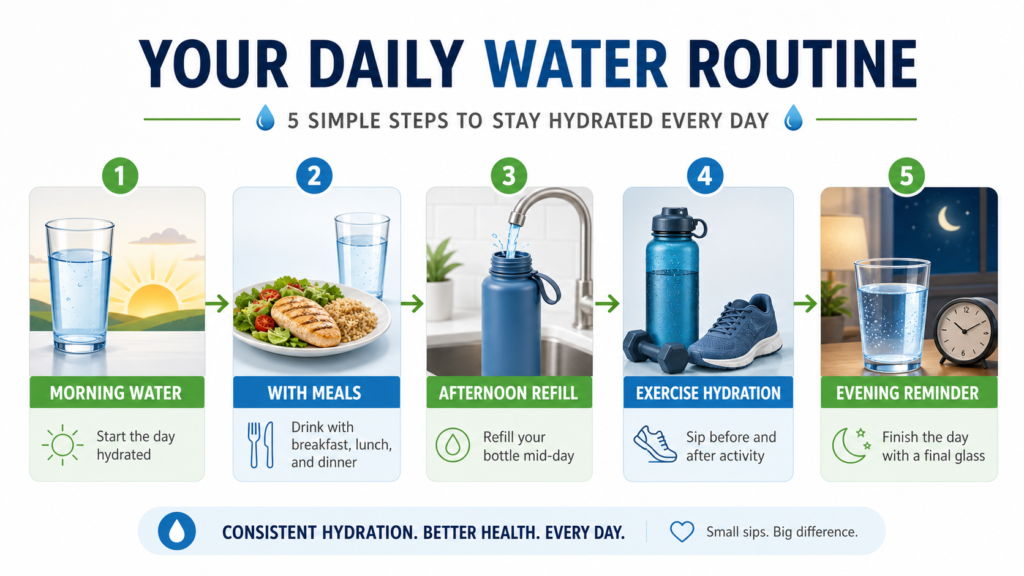
Try this simple daily plan:
- Morning: 1 cup after waking
- Breakfast: 1 cup with food or coffee
- Lunch: 1–2 cups
- Afternoon: 1 cup at your desk
- Dinner: 1–2 cups
- Exercise: 1–2 extra cups if sweating
That gives you around 6–9 cups daily, before counting water-rich foods.
Make water easier by:
- Keeping a bottle visible
- Adding lemon, mint, cucumber, or berries
- Using sparkling water sometimes
- Setting phone reminders
- Drinking before each meal
- Refilling your bottle at fixed times
FAQ
What are the main benefits of drinking more water every day?
The main hydration benefits include steadier energy, better focus, improved digestion, easier exercise, and reduced dehydration symptoms. The benefits are strongest if you were previously drinking too little.
How much water should I drink daily?
Many adults do well with 6–8 cups of fluid daily, but needs vary. Total fluid can include water, other drinks, and water-rich foods. Active people or those in hot climates may need more.
Is clear urine a good sign?
Very pale yellow urine is often a useful sign of hydration. Completely clear urine all day may mean you are drinking more than needed, especially if you are forcing large amounts.
Does coffee count towards hydration?
Coffee can contribute to fluid intake, but water is still a better everyday choice because it has no caffeine, sugar, or calories. Balance coffee with plain water, especially if you feel thirsty.
Can drinking more water help with weight loss?
Water can support weight management if it replaces sugary drinks or helps reduce unnecessary snacking. But water alone does not cause major fat loss without overall nutrition, movement, and calorie balance.
Conclusion
Drinking more water every day can improve how you feel if you are currently under-hydrated. It may support energy, focus, digestion, exercise comfort, and better daily habits.
The goal is not to drink endless water. The goal is to drink enough, consistently, in a way that fits your body and lifestyle.
Start with 6–8 cups of fluid daily, add more when sweating or in hot weather, and use simple signals such as thirst, urine colour, and energy levels to adjust.
CTA: Fill a bottle today, place it where you can see it, and aim for your first 6–8 cups of fluid over the next 24 hours.