
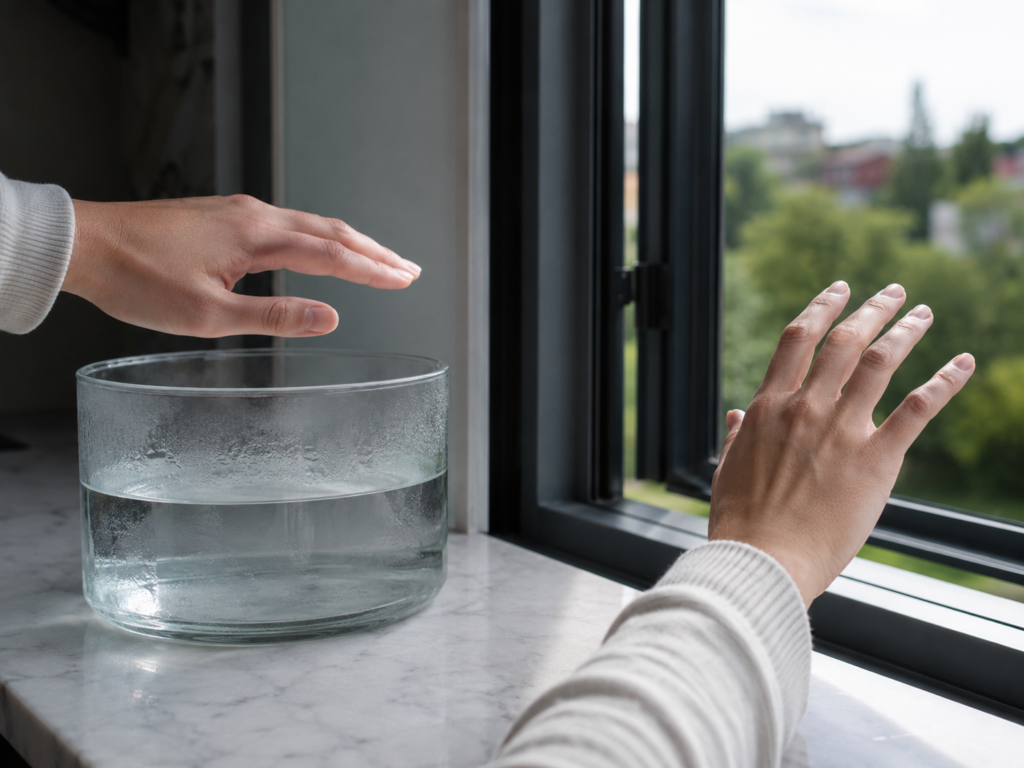
Cold water feels colder than cold air because it transfers heat away from your body faster. Water has much higher thermal conductivity and heat capacity than air, meaning it can absorb more heat from your skin and carry it away more efficiently.
Your body is usually around 37°C internally, while your skin surface is cooler, often around 30–34°C depending on the environment. If you enter 10°C water or stand in 10°C air, your body is warmer than both. Heat naturally moves from your warm body into the colder surroundings.
But the speed of that heat loss is very different.
In cold air, heat leaves your body slowly because air is thin and a poor conductor. In cold water, heat leaves quickly because water is dense and makes close contact with your skin.
Simple example
Imagine touching two objects in the same cold room:
- A wooden table
- A metal door handle
Both may be at the same room temperature, but the metal feels colder because it pulls heat from your hand faster. Water works in a similar way. It is not always “colder” in temperature, but it is much better at stealing heat from your skin.
Your Skin Feels Heat Loss, Not Just Temperature
Your skin contains temperature-sensitive nerve endings. These nerves react strongly when heat leaves your skin quickly.
That is why a cold swimming pool can feel painful at first, even if the water temperature is not dangerously low. Your nerves detect a rapid change in skin temperature and send a strong signal to your brain.
Your brain interprets that fast heat loss as: “This is very cold.”
Real-world scenario
You step outside on a 12°C spring morning wearing a T-shirt. It feels cool, but you can tolerate it for a short walk.
Now imagine stepping into a lake at 12°C. The water feels far colder, even though the temperature is identical. The difference is not the number on the thermometer. The difference is the rate of heat transfer.
That is the key idea behind why cold water feels colder than cold air.
Water Conducts Heat Better Than Air
Thermal conductivity means how well a material transfers heat.
Air is a poor conductor. That is why it is used as insulation in things like double glazing, jackets, and foam packaging. Still air traps heat well because it does not easily carry heat away.
Water conducts heat much better than air. When your skin touches cold water, heat flows from your body into the water quickly.
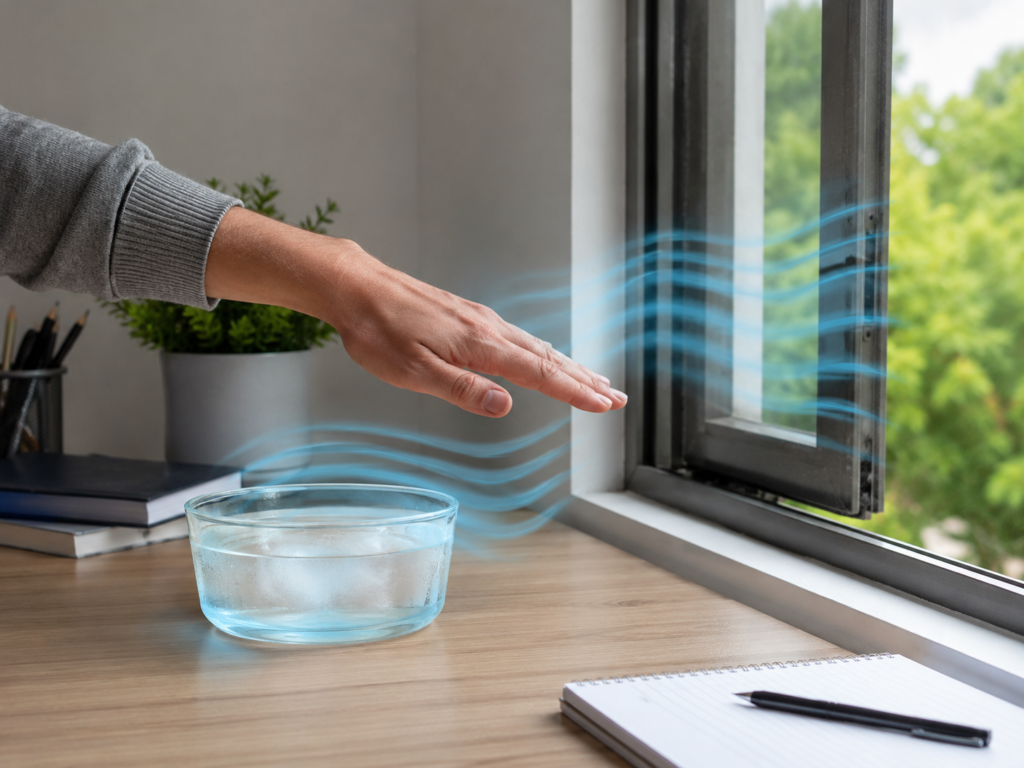
Practical example
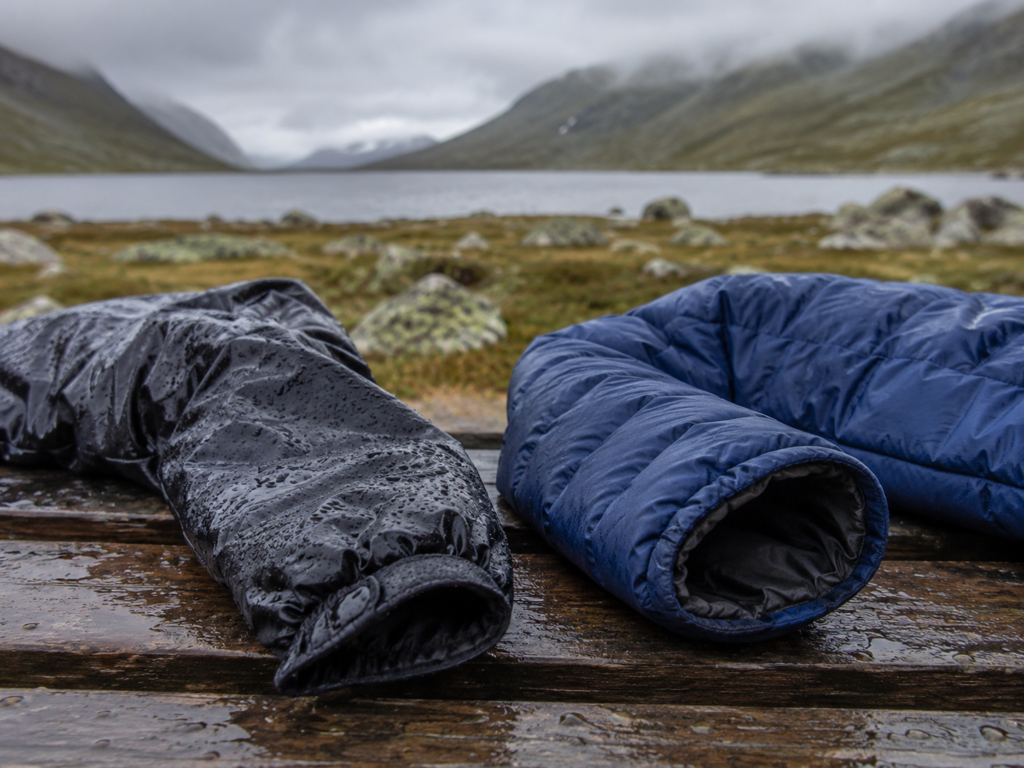
Think about wearing a dry jumper on a cold day. It keeps you warm because it traps air near your body.
Now imagine the same jumper becomes soaked with cold rain. Suddenly, you feel much colder. The temperature outside may not have changed, but the water in the fabric destroys the insulating air pockets and conducts heat away from your body.
This is why wet clothes are so dangerous in cold weather. You can lose body heat quickly even when the air temperature is above freezing.
Water Has a Higher Heat Capacity Than Air
Heat capacity means how much heat a substance can absorb before its temperature changes.
Water has a very high heat capacity. This means it can absorb a lot of heat from your body without warming up much. Air has a much lower heat capacity, so it cannot remove as much heat as quickly.
Everyday example
If you step into a cold bath, the water can keep pulling heat from your body for a long time. Your body warms the thin layer of water touching your skin, but that warmed water quickly mixes with colder water around it.
In cold air, your body can warm the air close to your skin more easily. That thin layer of warmed air acts like a small protective blanket, especially if the air is still and you are wearing clothes.
In water, that protective layer is much harder to maintain.
Water Surrounds Your Skin More Completely
Air does not always make full contact with your skin. Tiny air pockets remain around clothing fibres, body hair, and the surface of your skin.
Water fills gaps much more effectively. It presses against your skin from every angle and reaches small spaces that air may not.
This creates more direct contact between your body and the cold environment.
Step-by-step breakdown
When you enter cold water:
- Your warm skin touches colder water.
- Heat moves from your skin into the water.
- The water next to your skin warms slightly.
- Movement carries that warmer water away.
- New colder water replaces it.
- Your body keeps losing heat rapidly.
This process repeats continuously, which is why cold water can drain body heat so quickly.
Moving Water Feels Even Colder
Cold water feels colder when it moves because it removes the warmed layer of water next to your skin.
This is similar to wind chill in cold air. A windy day feels colder than a still day because wind removes the warm air layer around your body.
In water, the effect can be even stronger.
Practical example
Standing still in a cold swimming pool may feel horrible for the first minute, but your body may slowly adjust. If you start swimming, the water suddenly feels colder again because movement pushes warmer water away from your skin.
That is why cold rivers, waves, and open-water swimming can feel much harsher than a calm pool at the same temperature.
Why Cold Air Can Feel Manageable at the Same Temperature
Cold air usually feels less intense than cold water because air is less dense and transfers heat slowly.
At 10°C, air contains far fewer molecules around your skin than water does. Fewer molecules means fewer opportunities to carry heat away from your body.
Also, clothing works well in air. A jacket traps warm air near your body, slowing heat loss. But ordinary clothes do not work the same way in water. Once soaked, they lose much of their insulating power unless they are specially designed, like wetsuits or drysuits.
Real-world comparison
At 10°C air temperature, you may be uncomfortable without a coat, but you can usually stay outside for a while.
At 10°C water temperature, prolonged exposure can become risky because your body loses heat much faster. The danger depends on your health, clothing, movement, body size, and exposure time, but the key point is clear: cold water cools you far more aggressively than cold air.
Why the First Few Seconds Feel So Shocking
The first contact with cold water often feels worse than the water does a minute later. That is because your skin temperature drops rapidly at first.
Your nerves react strongly to sudden changes. This can cause:
- A sharp cold sensation
- Gasping
- Faster breathing
- Muscle tension
- A strong urge to get out
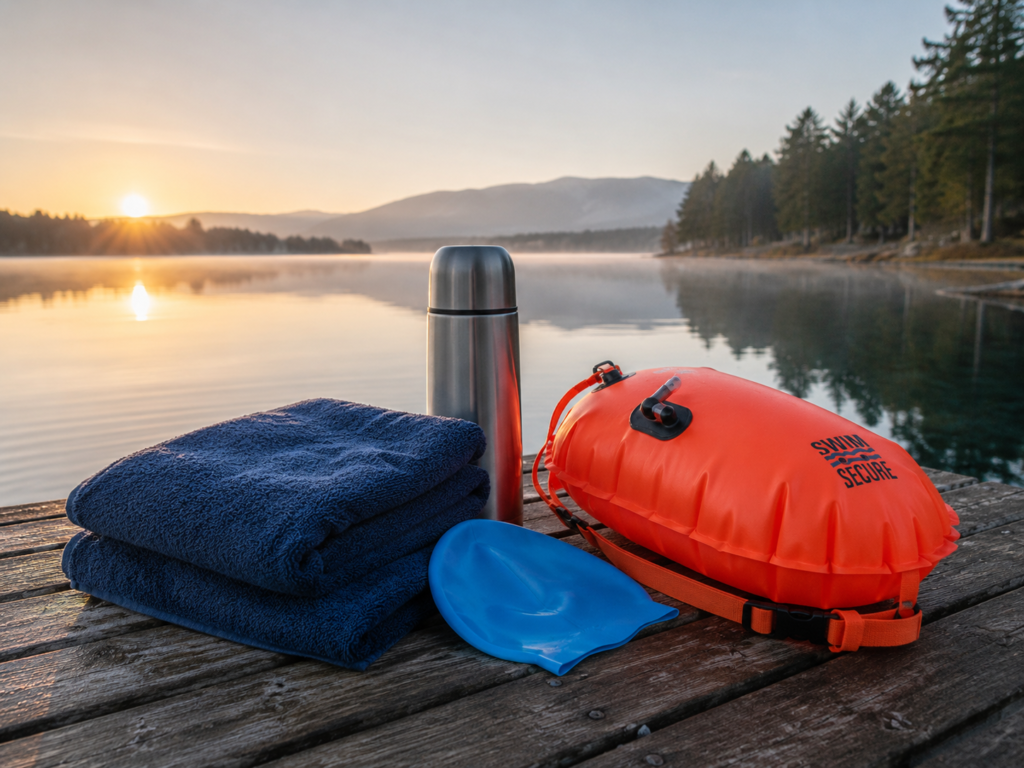
This is sometimes called a cold shock response, especially in cold open water. It is one reason people are advised to enter cold water carefully rather than jumping in unexpectedly.
Practical safety example
If someone falls into cold water, the first danger may not be hypothermia straight away. The immediate risk can be panic, gasping, and uncontrolled breathing. That is why cold-water safety advice often focuses on staying calm, floating, and controlling breathing first.
Why a Cold Shower Feels Different From Cold Weather
A cold shower may feel more intense than standing in cold air because the moving water constantly replaces the warmed water touching your skin.
Even if the bathroom air is comfortable, cold shower water can rapidly pull heat from your skin. The pressure and movement make the cooling effect stronger.
Example
A 15°C room may feel cool but tolerable. A 15°C shower can feel brutally cold because water is hitting your skin directly, moving continuously, and carrying away heat again and again.
This also explains why stepping out of a shower can feel cold. Water evaporating from your skin removes extra heat, and moving bathroom air can make that cooling stronger.
What About Ice, Metal, and Tiles?
The same principle explains why some materials feel colder than others at the same room temperature.
A bathroom tile floor may feel colder than a carpet, even if both are 20°C. Tile conducts heat away from your feet faster. Carpet traps air and slows heat loss.
Metal feels colder than wood for the same reason. It does not necessarily have a lower temperature; it simply transfers heat from your hand faster.
Quick comparison
Materials that feel colder usually:
- Conduct heat well
- Make close contact with your skin
- Remove heat quickly
- Do not trap much insulating air
Materials that feel warmer usually:
- Conduct heat poorly
- Trap air
- Slow down heat transfer
- Let your skin keep more warmth
Water belongs firmly in the first category.
Does Humidity Make Cold Air Feel Colder Too?
Humidity can affect comfort, but it is not the same as being submerged in water.
Cold damp air can feel colder than dry air because moisture can reduce the insulating effect of clothing and increase heat loss from your skin. However, even very humid air is still far less dense than liquid water.
That means cold water remains much more effective at removing body heat than cold air at the same temperature.
Practical example
A damp 8°C day in the UK can feel miserable, especially with wind and wet clothes. But 8°C water is much more intense because your body is directly surrounded by liquid that conducts and absorbs heat efficiently.
Can Your Body Adapt to Cold Water?
Yes, to a degree. People who regularly swim in cold water may become better at managing the shock and controlling their breathing. Their perception of cold can also change with experience.
However, adaptation does not make cold water harmless. Your body can still lose heat quickly, even if you feel mentally calmer.
Sensible cold-water habits
If you are new to cold water:
- Enter gradually rather than jumping in
- Avoid swimming alone
- Keep exposure short at first
- Warm up slowly afterwards
- Pay attention to numbness, confusion, or shivering
- Use proper gear for open-water swimming
Cold exposure can feel refreshing for some people, but safety matters more than toughness.
Tools and Resources for Understanding Temperature and Cold Exposure
If you are writing, teaching, or learning about this topic, reputable weather and safety resources can help you understand real conditions.
- Global: World Meteorological Organisation (reliable global weather education)
- Global: Windy (visual weather maps and forecasts)
- United States: National Weather Service (official weather safety guidance)
- United States: CDC Cold Weather Safety (public health guidance)
- UK & Europe: Met Office (trusted UK weather forecasts)
- UK & Europe: RNLI Water Safety (practical cold-water safety advice)
FAQ
Why does cold water feel colder than air at the same temperature?
Cold water feels colder because it removes heat from your body much faster than air. Water conducts heat better, holds more heat, and surrounds your skin more completely, so your skin cools rapidly.
Is 10°C water more dangerous than 10°C air?
Yes, generally. Your body loses heat much faster in 10°C water than in 10°C air. Cold water exposure can become risky more quickly, especially without proper clothing, experience, or safety precautions.
Why does moving water feel colder than still water?
Moving water feels colder because it constantly removes the warmed layer of water next to your skin. New colder water replaces it, increasing heat loss and making the cold feel more intense.
Why do wet clothes make you feel so cold?
Wet clothes feel cold because water replaces insulating air pockets in the fabric. This allows heat to leave your body much faster, especially if there is wind or continued exposure.
Why does metal feel colder than wood at the same temperature?
Metal feels colder because it conducts heat away from your skin faster than wood. Both may be the same temperature, but your hand loses heat more quickly when touching metal.
Conclusion
Cold water feels much colder than cold air at the same temperature because your body experiences cold through heat loss, not just thermometer readings.
Water conducts heat better than air, absorbs more heat, surrounds your skin more completely, and often moves enough to keep replacing the warmed layer near your body. That combination makes cold water feel intense, even when the temperature number looks manageable.
The simple takeaway is this: temperature tells you how cold something is, but heat transfer tells you how cold it feels.
Once you understand that, everyday experiences make much more sense — from cold showers and swimming pools to wet clothes, bathroom tiles, and metal door handles.