Science

Explaining scientific concepts, discoveries, and how the world works.

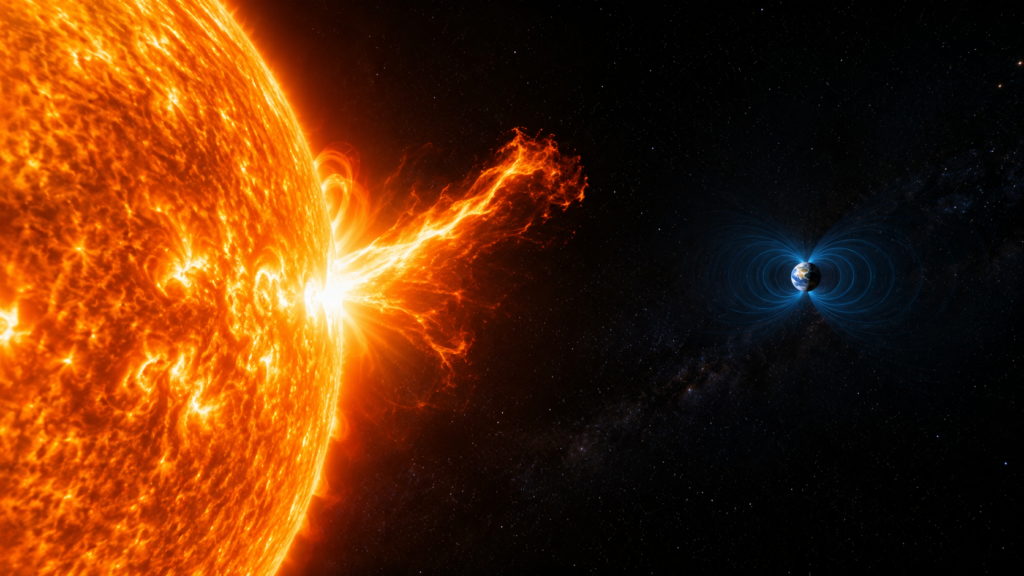
The Proton’s Hidden Core: What RHIC’s Gluon Discovery Tells Us About the Mass of Everyday Matter

A few years ago, sitting with a warm cup of coffee, I found myself staring at my hands. Everything we touch, lift, and feel comes down to mass — and almost all of it lives inside protons and neutrons. But there’s a strange problem hiding in that picture. Add up the masses of a proton’s

The Proton’s Hidden Core: What RHIC’s Gluon Discovery Tells Us About the Mass of Everyday Matter Read More »

Beyond Sub-Zero Physics: How Room-Temperature Light-Routing Crystals Will Shrink Quantum Computers

A few years ago, I spent an entire summer trying to render high-resolution 3D animations on a modest laptop. Every time the render queue hit fifty percent, the internal fans would scream like a jet engine, the bottom casing would get hot enough to fry an egg, and the system would throttle down to a

Beyond Sub-Zero Physics: How Room-Temperature Light-Routing Crystals Will Shrink Quantum Computers Read More »

What Is a .top Domain? Why You See Them and How to Avoid Malicious Websites

Have you ever received an email or text message with a link that looked spammy?In these days, that question is almost like asking, “Have you ever drunk water?” The answer is obviously yes. Most people have received strange links in texts, emails, comments, pop-ups, or social media messages.But let’s be more specific.Have you ever seen

What Is a .top Domain? Why You See Them and How to Avoid Malicious Websites Read More »

Top-Down vs. Bottom-Up Thinking: How Your Brain Processes the World Around You

Every second, your brain is trying to make sense of the world around you. You hear sounds, recognise faces, read words, notice movement, judge situations, and make quick decisions — often before you consciously realise what is happening. That is where top-down vs bottom-up thinking comes in. Bottom-up thinking starts with raw information from your

Top-Down vs. Bottom-Up Thinking: How Your Brain Processes the World Around You Read More »

Why Does Cold Water Feel So Much Colder Than Cold Air at the Exact Same Temperature?

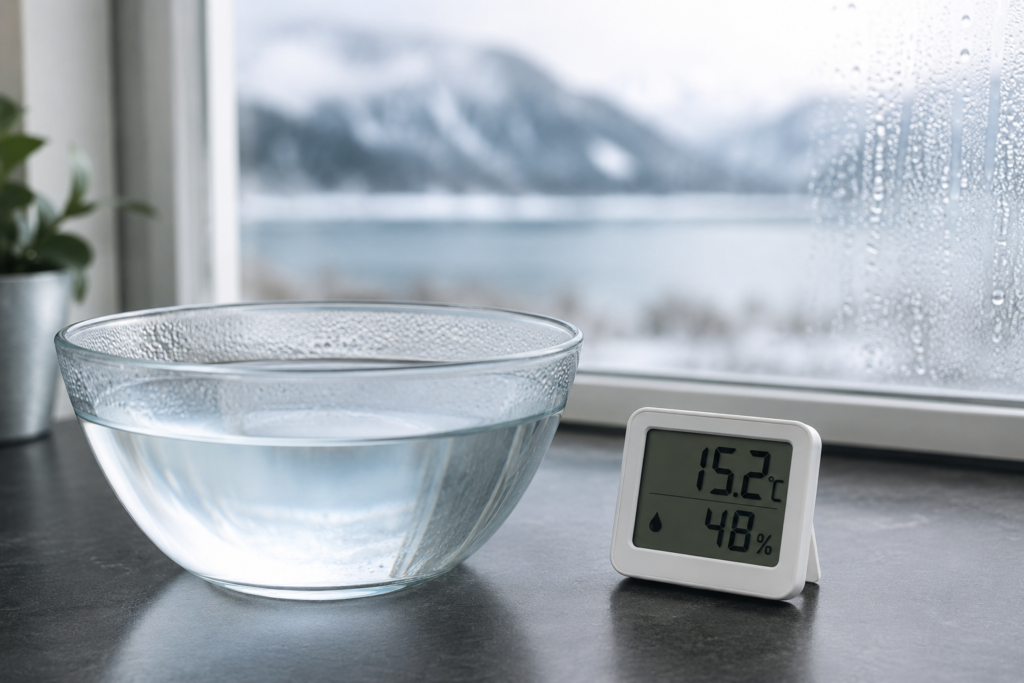
Cold water feels colder than cold air because it transfers heat away from your body faster. Water has much higher thermal conductivity and heat capacity than air, meaning it can absorb more heat from your skin and carry it away more efficiently. Your body is usually around 37°C internally, while your skin surface is cooler,

Why Does Cold Water Feel So Much Colder Than Cold Air at the Exact Same Temperature? Read More »

Scroll to Top